
Hey everyone! As a parent, I totally get it – our kids’ health is always top of mind, and sometimes, navigating all the medical check-ups can feel a bit overwhelming, right?
We’re constantly looking for ways to keep our little ones happy and healthy, from making sure they eat their veggies to trying to minimize those inevitable playground scrapes.
But what about the things we can’t see, like potential unwelcome guests in their tiny bodies? It’s not a topic many people chat about over coffee, but believe me, understanding what happens during a routine pediatric parasite screening can really put your mind at ease.
I remember feeling a mix of curiosity and slight anxiety the first time my pediatrician mentioned it, and I quickly realized just how crucial these simple tests are for ensuring our children’s overall well-being.
It might sound a little intimidating, but knowing the facts can make all the difference, and it’s far more common than you might think, especially when kids are exploring the world and putting everything in their mouths!
Let’s get to the bottom of it and truly understand what these screenings mean for your child’s health.
Demystifying the Unseen: Why These Screenings Are a Parental Game-Changer
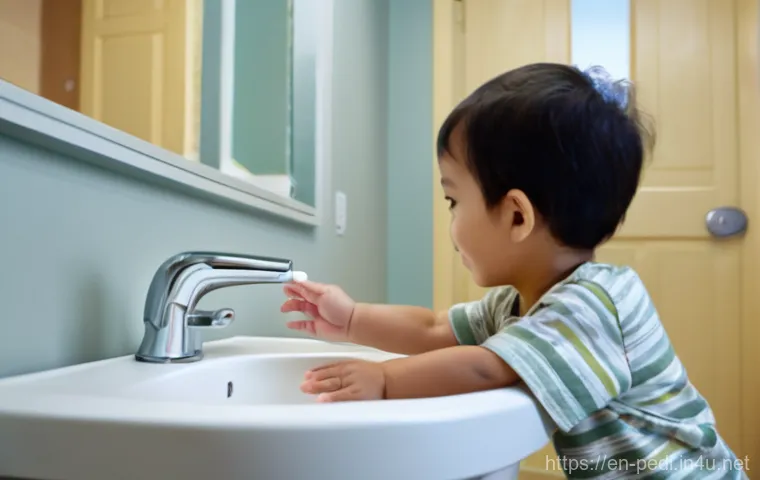
Understanding the Hidden World of Pediatric Parasites
As parents, we’re often consumed with the visible aspects of our children’s health – those scraped knees, sniffles, or sudden fevers. But what about the invisible threats that can quietly undermine their well-being?
I’ve been there, feeling completely caught off guard when my pediatrician first brought up parasite screenings. It’s not exactly common dinner table conversation, is it?
However, learning about it truly shifted my perspective. Parasites, these tiny organisms that live on or in a host, are more common than you might think, especially for our little explorers who are constantly touching everything and, let’s be honest, often putting it right into their mouths.
In fact, infections from parasites are becoming more prevalent among school-aged children, even in developed countries. These screenings are not about fear-mongering; they’re about being proactive and informed.
My own experience taught me that what we can’t see can sometimes be the most disruptive to their delicate systems, affecting everything from their digestion to their energy levels and even their mood.
Early detection can make all the difference, providing a clearer path to quick and effective solutions and, ultimately, a much happier, healthier child.
It’s about empowering ourselves with knowledge, rather than being anxious about the unknown.
The Connection Between Gut Health and Overall Well-being
I’ve always been fascinated by how interconnected our bodies are, and this became especially clear when I started digging into the impact of parasites on children.
It’s not just about a “tummy ache.” These unwelcome guests can wreak havoc on a child’s digestive health, leading to discomfort and issues that might seem unrelated at first.
Think about it: our children’s guts are like their second brains, influencing everything from nutrient absorption to their immune system and even their behavior.
I remember one parent sharing how their child’s unexplained mood swings and difficulty concentrating dramatically improved after a parasite infection was identified and treated.
It turns out, that persistent “off” feeling, that recurring belly pain, or even those mysterious skin issues like eczema could sometimes be rooted in an underlying parasitic infection.
For me, understanding this link was a lightbulb moment. It underscored why these screenings aren’t just another medical hoop to jump through, but a vital step in ensuring our kids are truly thriving from the inside out.
When their gut isn’t happy, nothing else really is either, and that’s a truth I’ve seen play out time and time again in my parenting journey.
Spotting the Silent Invaders: What Pediatricians Seek
Common Culprits and Their Sneaky Symptoms
When a pediatrician talks about parasite screenings, they’re typically looking for a few common culprits that love to make themselves at home in little bodies.
Pinworms are probably the most well-known; these tiny, thread-like worms often cause intense anal itching, especially at night, which can lead to restless sleep and irritability.
I’ve had friends tell me about discovering them when their kids were complaining of itchiness, and it’s always a bit of a shock to realize such a small thing can cause so much disruption.
Then there are roundworms and hookworms, which children can pick up from contaminated soil or food. These can cause a range of digestive issues like abdominal pain, nausea, and diarrhea, and hookworms can even lead to anemia over time.
Giardia is another one, often spread through contaminated water or person-to-person contact, leading to persistent diarrhea and stomach discomfort. What’s tricky is that some children might not show any symptoms at all, which is why proactive screening can be so important.
It’s like these tiny invaders are playing a silent game of hide-and-seek, and we, as parents, along with our pediatricians, are the detectives trying to find them before they cause bigger problems.
Beyond the Obvious: Signs That Might Surprise You
Beyond the classic symptoms like itching or tummy troubles, parasites can manifest in ways that might completely surprise you, making them particularly sneaky.
I remember learning that things like teeth grinding during sleep, or even behavioral changes like increased irritability and difficulty focusing, can sometimes be linked to parasitic infections.
Who would’ve thought, right? These aren’t always the first things you’d connect to a physical ailment, but as I delved deeper, it made perfect sense. If a child’s gut is constantly battling an unwelcome guest, it can impact their overall comfort and nervous system, leading to these less obvious signs.
I’ve heard stories of parents struggling for months with a child’s chronic fatigue or unexplained rashes, only to find out a parasite was the underlying cause.
It’s a powerful reminder that our children’s bodies are complex, and sometimes, we need to look beyond the surface to truly understand what’s going on.
Trusting your parental instincts, even when symptoms are vague, and discussing *everything* with your pediatrician is key.
The Screening Journey: What to Expect at the Doctor’s Office
Collecting the Clues: Stool Sample Procedures
So, your pediatrician suggests a parasite screening. What exactly does that entail? For most intestinal parasites, the primary way to check is through a stool sample, often called an “ova and parasite” (O&P) test.
I know, I know, collecting a stool sample from a child isn’t exactly glamorous parenting, but it’s a crucial step! Your doctor or the lab will provide a special clean container, and it’s super important not to mix the sample with urine, water, or toilet paper.
If your little one is in diapers, placing plastic wrap inside the diaper can help get a clean sample. The lab then examines a small smear of the stool under a microscope to look for parasites or their eggs (ova).
Sometimes, they might recommend collecting multiple samples over several days because parasites don’t always shed eggs consistently, increasing the accuracy of the test.
It sounds like a hassle, but trust me, getting those definitive answers is worth the temporary inconvenience.
Beyond Stool: Other Diagnostic Avenues
While stool samples are the workhorse for many parasitic infections, they aren’t the only tool in the diagnostic shed. Depending on the suspected parasite and your child’s symptoms, the pediatrician might explore other avenues.
For instance, if pinworms are strongly suspected, they might suggest a “Scotch tape test.” This involves gently pressing sticky tape around the anus in the morning to collect any eggs laid overnight, which are then examined under a microscope.
It sounds a bit old-school, but it’s surprisingly effective for pinworms! In some cases, blood tests can also provide clues, showing signs like anemia or elevated white blood cell counts that might point to an infection.
These blood tests often look for specific antibodies or antigens related to certain parasites. For more complex or elusive cases, doctors might even consider advanced imaging or endoscopic procedures, though these are far less common for routine screenings.
My biggest takeaway from all this is that our doctors have a whole arsenal of methods, and they’ll choose the best one for our child’s specific situation.
Understanding the Verdict: Deciphering Test Results
What a “Positive” or “Negative” Truly Means
Getting those test results back can be a nerve-wracking moment, right? When the lab report says “negative,” it means no parasites or eggs were found in the sample.
That’s usually fantastic news! However, and this is a big one I learned, a single negative result doesn’t always 100% rule out an infection, especially if symptoms persist.
Some parasites are shed intermittently, meaning they might not be present in every sample. This is why sometimes doctors recommend multiple samples. On the flip side, a “positive” result means parasites or their eggs *were* detected.
This isn’t a moment for panic, but for action. Your pediatrician will identify the specific parasite and develop a targeted treatment plan. They’ll explain what genus and species were found, which helps guide the next steps.
For me, understanding that a negative result can still warrant further investigation if symptoms persist was a crucial piece of information that truly helped manage my expectations and my child’s ongoing care.
Navigating the Next Steps After a Diagnosis
If your child receives a positive diagnosis, the next steps are usually quite clear, and it’s important to trust your pediatrician’s guidance. Treatment typically involves antiparasitic medications, and the specific drug will depend on the type of parasite identified.
For example, mebendazole or albendazole are often prescribed for common intestinal worms. I remember being advised that it’s vital to ensure your child finishes the entire course of medication, even if symptoms improve quickly, to fully eliminate the parasites and prevent reinfection.
Sometimes, a second dose a week or two later is recommended, as some medications don’t kill the eggs. Beyond medication, your doctor might also suggest follow-up visits or tests to confirm that the infection has cleared and to monitor your child’s recovery.
It’s a comprehensive approach, not just a quick fix, and it’s comforting to know that effective treatments are readily available to get our little ones back to their vibrant selves.
Empowering Prevention: Shielding Our Children from Future Exposure
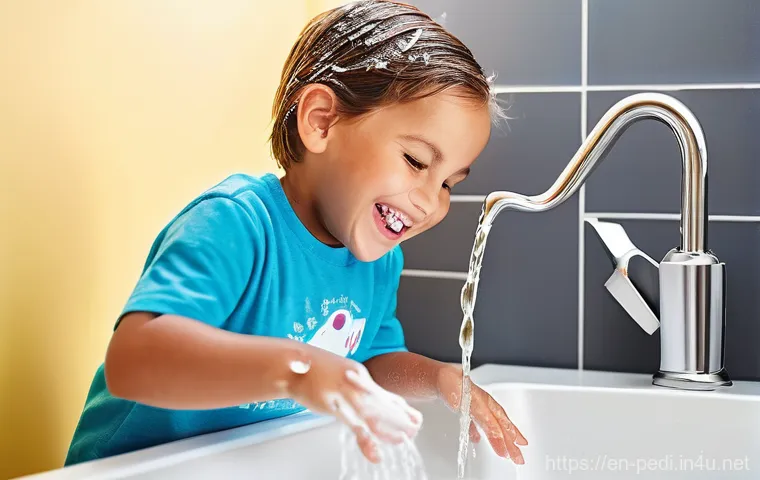
Everyday Habits That Make a Big Difference
Okay, so we’ve talked about detection and treatment, but what about actively preventing these pesky parasites from settling in in the first place? As a parent, this is where I feel most empowered.
The good news is, many effective prevention strategies are things we can easily integrate into our daily lives. Top of the list? Handwashing, and I mean *thorough* handwashing!
Encouraging our kids to wash their hands with soap and water for at least 20 seconds, especially after using the restroom and before eating, is absolutely crucial.
I always tell my kids it’s like magic soap that makes germs disappear! Keeping fingernails short also helps minimize the hiding spots for parasite eggs.
Beyond personal hygiene, proper food handling is key. Making sure food is thoroughly cooked and stored safely, and washing fruits and vegetables thoroughly before consumption, can significantly reduce the risk of infection.
These might seem like small steps, but believe me, they add up to a mighty shield for our little ones.
Navigating the World Safely: Travel and Environmental Awareness
Our kids are naturally curious, and that means they’re constantly exploring their environment – sometimes with their mouths! When it comes to preventing parasites, being mindful of their surroundings, especially in certain situations, becomes really important.
If you’re traveling, particularly to areas where sanitation might be less robust, being extra vigilant about drinking clean, bottled, or boiled water and avoiding raw or undercooked foods is a must.
But even at home, simple things like discouraging kids from putting dirt or non-food items in their mouths can help, as some parasites are acquired through contaminated soil.
I also make sure to check if our pets are regularly dewormed, as they can sometimes be carriers. It’s not about stifling their natural curiosity, but about teaching them smart habits and being aware of potential risks.
My goal is always to equip them with the knowledge to explore safely, letting them be kids without unnecessary worries about invisible invaders.
My Personal Take: Learning, Adapting, and Staying Positive
Embracing the Journey: My Family’s Experience with the Unexpected
When my pediatrician first suggested a parasite screening for my child, I’ll be honest, my mind immediately went to worst-case scenarios. It felt like such an exotic problem, not something you’d expect in our everyday lives.
But as I went through the process, from the slightly awkward stool sample collection (those little specimen cups became very familiar!) to waiting for results, I realized something profound.
This wasn’t a sign of bad parenting or something to be ashamed of; it was simply a part of navigating childhood health. My child, like many others, had picked up a common parasite, and the symptoms, which I had initially attributed to a “growth spurt” or “picky eating,” suddenly made sense.
The relief that came with a clear diagnosis and a straightforward treatment plan was immense. It really drove home that being proactive and open to these screenings isn’t about finding problems, it’s about finding solutions and ensuring our kids get the best possible start in life.
It transformed my anxiety into a sense of calm empowerment.
Beyond the Rx: Nurturing a Resilient Gut and Healthy Habits
For me, the journey didn’t stop with the prescription. While the medication worked wonders, it also sparked a deeper dive into maintaining a healthy gut environment for my child to help prevent future issues.
I started focusing even more on a balanced diet rich in whole foods, ensuring they got plenty of fiber, and considering probiotics as a supportive measure.
It’s not about perfection, but about consistent, small choices that build resilience. We also doubled down on those hygiene habits – handwashing became a fun song-and-dance routine, and keeping nails trimmed turned into a weekly spa-like ritual.
I even got a little more mindful about where they played outdoors and made sure to wash produce extra thoroughly. These aren’t drastic changes, but they create a protective bubble around their little systems.
My personal experience taught me that while we can’t shield our children from every single germ or bug out there, we can certainly arm them with the best possible defenses, fostering a foundation of health that helps them bounce back quickly and strong.
Key Takeaways for Parental Peace of Mind
Recognizing the Subtle Cues and When to Seek Help
One of the most important things I’ve learned as a parent is to really *listen* to my child and observe even the most subtle changes in their behavior or health.
When it comes to parasites, the signs aren’t always glaring. It might be persistent, unexplained tummy aches that just don’t go away with typical remedies.
Or maybe it’s that nagging anal itching, especially at night, which can really disrupt their sleep. Sometimes, it could be changes in appetite, unexplained weight loss, or even just a general sense of unease or irritability that seems out of character.
My personal advice? If something feels “off” and you can’t quite pinpoint why, don’t hesitate to bring it up with your pediatrician. They are our partners in this journey, and no concern is too small when it comes to our children’s health.
Trust your gut instincts; they’re often surprisingly accurate, and early conversations can lead to timely discoveries.
Creating a Proactive Health Environment at Home
After navigating the world of pediatric parasite screenings, I’ve come to truly appreciate the power of a proactive approach to health in our homes. It’s not just about reacting when something goes wrong, but about building an environment that naturally protects our kids.
This means making good hygiene a consistent, non-negotiable part of our family routine – handwashing, showering, and keeping things clean, especially in the kitchen and bathroom.
It also means being mindful of what goes into their bodies, from thoroughly washed produce to properly cooked meats. Beyond that, it’s about fostering an open dialogue with our pediatricians.
I make it a point to discuss any lingering concerns or unusual symptoms, no matter how minor they seem. This proactive mindset, for me, has been the biggest game-changer.
It’s given me a deeper sense of control and confidence in safeguarding my children’s health, turning potential worries into manageable steps toward their continued well-being.
| Common Parasites in Children | Typical Symptoms | How They Spread |
|---|---|---|
| Pinworms (Enterobius vermicularis) | Anal itching (worse at night), restless sleep, irritability. | Ingestion of eggs from contaminated hands, bedding, or surfaces. |
| Roundworms (Ascaris lumbricoides) | Abdominal pain, nausea, diarrhea, blood in stool (in severe cases). | Ingestion of eggs from contaminated soil, water, or food. |
| Hookworms (Ancylostoma duodenale, Necator americanus) | Itching/rash at site of entry, abdominal pain, anemia, fatigue. | Skin contact with contaminated soil (e.g., walking barefoot). |
| Giardia (Giardia lamblia) | Diarrhea, gas, greasy stools, abdominal cramps, dehydration. | Contaminated water or food, person-to-person contact (fecal-oral route). |
| Tapeworms (Taenia species) | Abdominal pain, loss of appetite, weight loss, nausea. | Consuming undercooked or contaminated meat (pork, beef, fish). |
Concluding Our Journey
As we navigate the sometimes-unseen challenges of parenthood, discovering the impact of something as subtle as a parasitic infection can feel overwhelming. Yet, through this discussion, my hope is that you now feel a greater sense of preparedness and empowerment. It’s not about fear, but about knowledge and proactive care. Remember, you’re not alone in these discoveries; every parent faces their own unique health puzzles. By staying informed and trusting our instincts, we can continue to be the best advocates for our children’s holistic well-being, ensuring they can thrive, explore, and simply be kids without unnecessary burdens.
Practical Insights for Parents
As we wrap up our chat about safeguarding our children from unseen invaders, I wanted to share a few practical insights and nuggets of wisdom I’ve picked up along the way. These aren’t just clinical facts; they’re the kind of practical tips that have genuinely made a difference in how my family approaches health and wellness. Trust me, incorporating these into your routine can create a much more resilient environment for your little ones, turning potential worries into manageable, everyday actions.
-
If your child’s symptoms persist despite a negative initial screening, don’t feel shy about seeking a second opinion or discussing further diagnostic steps with your pediatrician. Parasites can be notoriously difficult to detect, as they don’t always shed eggs consistently. Sometimes, a different type of test, collecting samples over several days, or even consulting with a specialist in infectious diseases can provide the answers you’re looking for. I learned that advocating for your child’s health means trusting your parental instincts and being persistent when something still feels off. It’s not about being difficult; it’s about ensuring every possible stone is unturned for their well-being.
-
This might sound incredibly basic, but proper hand hygiene is truly your first line of defense against a multitude of infections, including parasitic ones. Make it a fun, non-negotiable routine for everyone in the family, especially before meals and after using the bathroom or playing outdoors. Teach your children to sing “Happy Birthday” twice while scrubbing with soap and water – it ensures they wash for long enough. This simple habit, consistently practiced, dramatically reduces the chances of ingesting parasite eggs and is one of the most powerful tools in your parental arsenal. It’s a small effort with enormous protective benefits.
-
When you’re out and about, or especially when traveling to different regions, exercising caution with food and water sources can prevent many parasitic infections. Stick to bottled water or boiled water, and be wary of raw or undercooked meats and unpeeled fruits and vegetables that might have been washed in contaminated water. Even in your own backyard, ensure produce is thoroughly washed. These precautions might seem excessive at times, but they’re incredibly effective in safeguarding your family against common invaders like Giardia or Tapeworms, which thrive in less-than-ideal sanitary conditions.
-
Many common household pets, like dogs and cats, can carry and transmit intestinal parasites to humans, particularly children who are more likely to interact closely with them and put their hands in their mouths. Ensuring your family pets are on a regular deworming schedule, as recommended by your vet, is a vital preventative measure. Additionally, practicing good hygiene around pets – like washing hands after playing with them, cleaning litter boxes, and promptly disposing of pet waste – significantly reduces the risk of zoonotic transmission. It’s about creating a safe, healthy environment for both your human and furry family members.
-
As parents, we have an incredible intuition when it comes to our children’s health. If you notice persistent or unusual symptoms – whether it’s ongoing stomach issues, unexplained fatigue, skin rashes, or even changes in behavior like increased irritability or difficulty concentrating – don’t dismiss them. These could be subtle clues that something more is going on, potentially including a parasitic infection. Always feel empowered to discuss all your observations and concerns, no matter how minor they seem, with your pediatrician. Your instincts are a powerful diagnostic tool, and early communication can lead to quicker and more effective solutions.
Key Takeaways
Navigating potential parasitic infections in children can feel daunting, but remember, early detection and a proactive approach are your strongest allies. Always trust your parental instincts, communicate openly with your pediatrician about any subtle symptoms, and emphasize consistent hygiene habits like thorough handwashing. These simple, everyday actions, combined with awareness, create a powerful shield, empowering you to foster a healthy, thriving environment for your little ones.
Frequently Asked Questions (FAQ) 📖
Q: Why do kids need parasite screenings if they seem healthy and aren’t showing any obvious symptoms?
A: This is such a common and valid question that many parents, including myself, have asked! It’s easy to think, “If my child isn’t sick, why go looking for trouble?” But here’s the thing: many parasitic infections in children, especially common ones like pinworms, often don’t cause any noticeable symptoms at all, or only very mild ones that are easy to miss, like a little extra itchiness at night.
I remember when my youngest was in preschool, a notice came home about a few cases of pinworms, and it was a real eye-opener. These tiny critters are super common, especially in children aged 4-11, and they spread incredibly easily in places where kids play closely together, like daycares and schools.
Doctors often recommend screening, especially if your child has traveled to areas where parasites are more prevalent, if there’s been an outbreak in their school or daycare, or if they’ve been exposed to untreated water.
Early detection is crucial because while many parasitic infections aren’t serious and are easily treatable, untreated infections can sometimes lead to more significant issues down the line, such as malnutrition, developmental delays, and even anemia if certain worms are draining the body’s iron.
Catching them early means we can zap them before they cause any real problems and ensure our kids continue to thrive, which, let’s be honest, is every parent’s main goal!
Q: What does a pediatric parasite screening actually involve, and will it be uncomfortable or scary for my child?
A: I totally understand the worry here; no one wants their child to be anxious about a medical test! Thankfully, most pediatric parasite screenings are pretty straightforward and non-invasive.
The most common method for checking for intestinal parasites is called an “ova and parasite” (O&P) test, which involves examining a stool sample. I know, I know, collecting a stool sample isn’t exactly glamorous, but it’s usually done by parents at home, which means your little one can be in their most comfortable environment.
Your doctor or the lab will give you specific instructions, but generally, you’ll need to collect a small sample of your child’s poop into a clean, dry container.
For younger kids or infants in diapers, you can use plastic wrap placed loosely over the toilet seat or line their diaper to catch the sample without it mixing with urine or toilet water.
Believe me, I’ve been there with the “hat-shaped plastic lid” over the toilet bowl, and while it’s a bit of a process, it’s not painful for your child at all.
Sometimes, to increase the accuracy, your pediatrician might recommend collecting multiple samples over a few days, as parasites don’t always shed eggs consistently.
Once collected, the lab simply looks at the sample under a microscope to find any parasites or their eggs. There’s no discomfort involved for your child with the actual lab analysis.
For pinworms specifically, a “tape test” might be done, where you press a piece of clear tape around their anus, usually at night or first thing in the morning, to collect eggs that can then be examined.
Again, it’s a quick and simple procedure designed to be as stress-free as possible.
Q: If my child tests positive for a parasite, what happens next? Is the treatment difficult or will it have a lot of side effects?
A: Okay, so you get that call, and the test is positive – it can feel a bit unsettling, right? My first thought would be, “What now?” But take a deep breath, because the good news is that most parasitic infections in children are very treatable with medication.
The specific treatment depends on the type of parasite identified. For common culprits like pinworms, a doctor will usually prescribe an antiparasitic medication, often in tablet form, that you take for just 1 to 3 days.
Sometimes, they might even recommend that everyone in the household gets treated to prevent reinfection, because those little buggers spread so easily!
For other types of intestinal worms or protozoa, medications like albendazole, mebendazole, or metronidazole are frequently used. I’ve personally found that while any medication can have some side effects, these antiparasitic drugs are generally well-tolerated by children.
The side effects are usually mild and might include some temporary gastrointestinal upset like nausea or abdominal discomfort, but those typically subside quickly as the medicine gets to work.
Many times, you’ll only need one dose or a short course, and you should see symptom improvements once the parasite and its eggs are cleared out. It’s always best to follow your pediatrician’s instructions exactly and talk to them about any concerns you have about side effects.
They might also suggest some simple hygiene measures, like thorough handwashing and keeping nails short, to help prevent re-infection and keep those unwelcome guests from making a comeback!