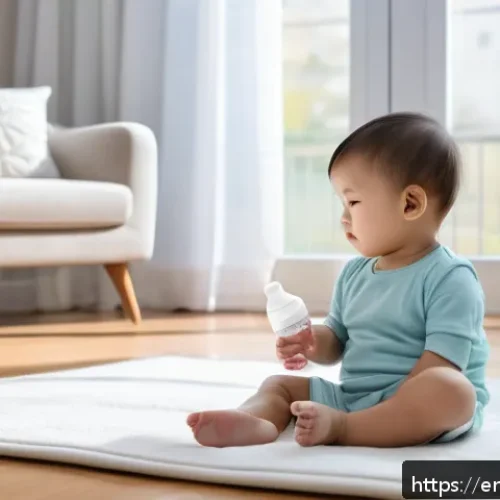
Oh, becoming a parent is just a whirlwind, isn’t it? From those sleepless nights to endless nappy changes, our tiny bundles of joy bring so much happiness, but also a fair share of worries!
And let’s be honest, nothing makes a new parent’s heart ache more than seeing their little one struggle with uncomfortable skin issues. I remember when my niece had her first bout of eczema; it was a constant battle to find something that truly soothed her delicate skin without causing more irritation.
It’s truly a special kind of challenge, trying to decipher what works best for their incredibly sensitive skin, which is actually about 30% thinner than ours and much more prone to losing moisture.
But here’s the exciting part! The world of baby skincare is evolving at an incredible pace, driven by parents like us who are becoming more and more informed.
We’re seeing a massive shift towards gentle, non-toxic, and hypoallergenic products, with natural, plant-based ingredients like chamomile, calendula, and shea butter becoming the gold standard.
Forget those harsh chemicals; it’s all about nourishing and protecting their tiny skin with what nature provides. Plus, there’s a huge buzz around ‘microbiome-friendly’ formulations, which, let me tell you, are game-changers for supporting a healthy skin barrier and preventing issues like eczema.
The market is absolutely booming, projected to reach billions in the coming years, with innovation, sustainability, and even AI-driven personalization leading the way!
It’s truly amazing to see how much research and care are going into making sure our little ones are as comfortable and healthy as possible. So, if you’ve ever felt overwhelmed by the sheer number of options or confused about the best routine for your baby’s unique skin, trust me, you’re not alone.
Let’s dive into all the essential tips and discover the latest trends together to ensure your little one’s skin stays soft, happy, and protected. We’ll explore it further below!
Oh, my fellow parents, it’s a journey, isn’t it? Every day with our little ones is a discovery, full of tiny triumphs and, let’s be honest, a few head-scratching moments.
And when it comes to their precious skin, it feels like we’re constantly walking on eggshells, trying to figure out what’s best. I remember feeling so overwhelmed when I first became an aunt, watching my sister navigate all the product choices.
It’s not just about picking something that smells nice; it’s about nurturing that incredibly delicate barrier that protects them from the world. We want them to be comfortable, happy, and, let’s face it, looking adorable with that perfectly soft baby skin.
The good news is, we’re all in this together, and with a little knowledge, we can make informed choices that truly benefit our little ones.
Understanding Your Baby’s Unique Skin Needs

Why Baby Skin is So Different
You know, when you first hold a newborn, that skin feels like the softest silk you’ve ever touched, right? But here’s the kicker: it’s also incredibly delicate and surprisingly different from our adult skin. It’s about 30% thinner, which means it’s not as robust a barrier against the elements. I learned this the hard way when my little nephew had his first brush with a mild rash; it seemed to appear out of nowhere because his skin just wasn’t equipped to handle certain irritants like mine could. This thinness also means it loses moisture much faster, making it super prone to dryness and sensitivity. Think about it, their tiny bodies are still figuring out how to regulate everything, and their skin is no exception. It’s got fewer sebaceous glands, so it produces less natural oil, which is a big reason why they can dry out so quickly. Plus, their immune system is still developing, making their skin more reactive to chemicals, fragrances, and even changes in temperature. It truly puts into perspective why we need to be so mindful about what touches their precious little bodies. It’s not just about avoiding problems; it’s about giving their skin the best possible start to develop healthily.
Decoding Skin Types in Infants
Just like us, babies can have different skin types, though they might not fit into neat ‘oily’ or ‘dry’ categories as clearly as adults. Most newborns have what we call ‘normal’ skin, which is generally smooth, soft, and free from irritation. However, you’ll quickly notice if your baby leans towards sensitivity. My friend’s little one, for example, had extremely sensitive skin from day one, reacting to even the mildest baby wipes. This usually manifests as redness, dry patches, or a tendency towards eczema. Then there are babies who might have naturally dry skin, perhaps due to genetics or environmental factors like harsh winter air. You’ll see flaky patches, especially on their legs or arms. And sometimes, you might even encounter babies with oily skin, often around the scalp (hello, cradle cap!) or in skin folds, leading to conditions like seborrheic dermatitis. It’s all about observing your baby’s unique reactions. I’ve found that keeping a mental note of how their skin responds to different products or environments has been incredibly helpful in tailoring a routine that works just for them. It’s like being a detective, looking for clues to understand their individual needs.
The Art of Gentle Cleansing and Bath Time Rituals
Making Bath Time a Bonding Experience
Bath time isn’t just about getting clean; it’s one of those magical moments we get to share with our babies. For me, it was always a chance to slow down, disconnect from the daily chaos, and just focus on those adorable little splashes and giggles. I remember the first few times my niece was bathed; she was so tiny and precious, and every movement felt like a major operation! But as she grew, it transformed into a ritual of joy – warm water, gentle touches, and soft cooing. To make it truly special, I always recommend ensuring the room is warm and free from drafts. Dimming the lights slightly and playing some soft music can also create a wonderfully calming atmosphere. And don’t forget the power of eye contact and gentle conversation; describing what you’re doing (“We’re washing your little toes now!”) can be surprisingly soothing for them. It’s less about scrubbing vigorously and more about creating a sensory experience that builds a strong, loving connection between you and your little one. These moments are fleeting, so truly savor them.
Choosing the Right Cleansers and Water Temperature
When it comes to actually washing them, less is often more. Their skin doesn’t need harsh soaps or daily full-body lathers. For newborns, a plain water bath every few days is often sufficient. As they get a bit older and start exploring (and getting a bit messier!), you might introduce a gentle baby cleanser. The key words here are “gentle” and “tear-free,” but even beyond that, look for products specifically designed for sensitive skin, free from fragrances, dyes, and harsh sulfates. I personally lean towards those with natural, calming ingredients like oat or chamomile. As for water temperature, this is super important! I’ve seen parents accidentally make the water too hot or too cold. The sweet spot is around 98.6°F (37°C), which feels comfortably warm to your elbow or wrist. A baby bath thermometer is a fantastic little tool to have for peace of mind. And remember, keep bath time short – no more than 5-10 minutes is usually plenty to avoid drying out their delicate skin. After the bath, a soft pat-down rather than vigorous rubbing helps retain moisture. It’s all about being mindful and nurturing their skin, not stripping it.
Moisture Magic: Keeping Baby’s Skin Supple and Protected
The Power of Daily Hydration
Let’s talk about moisture, because honestly, it’s one of the biggest allies in keeping your baby’s skin healthy and happy. As I mentioned, baby skin loses moisture so much faster than ours, making it super susceptible to dryness, flakiness, and even conditions like eczema. Think of it like a tiny sponge that needs constant rehydration! That’s why daily hydration isn’t just a nice-to-have; it’s a non-negotiable part of their skincare routine. I’ve seen firsthand the difference a consistent moisturizing routine can make. When my niece started getting dry patches behind her knees, a simple shift to moisturizing her twice a day, especially right after her bath, made an incredible difference. It helped to create a protective barrier on her skin, locking in that much-needed hydration and keeping irritants out. It’s not about slathering on tons of product; it’s about gentle, consistent application that supports their skin’s natural barrier function. This simple step can prevent so many common skin issues down the line and keep them feeling comfortable and content.
When and How to Apply Moisturizers
Timing is everything when it comes to moisturizing your little one. The golden rule? “The three-minute rule.” After a bath, gently pat your baby’s skin dry, leaving it slightly damp. Then, within three minutes of taking them out of the water, apply a generous layer of moisturizer. This is when their skin is most receptive to absorbing moisture, effectively sealing in the hydration from the bath. Don’t rub too hard; use gentle, upward strokes across their body. Pay special attention to areas prone to dryness, like their elbows, knees, and cheeks. For products, I always reach for thick, emollient creams or ointments rather than thin lotions, especially for babies prone to dry or sensitive skin. Look for formulations that are fragrance-free, hypoallergenic, and specifically designed for babies. Ingredients like ceramides, shea butter, and colloidal oatmeal are fantastic for restoring and maintaining the skin barrier. I also keep a small tube of moisturizer handy for quick top-ups throughout the day, especially after diaper changes or before heading out into drier air. Consistency really is the secret sauce here; making it a regular part of your baby’s day will keep their skin wonderfully soft and resilient.
Navigating Common Skin Woes: Eczema, Diaper Rash & More
Tackling Diaper Rash Like a Pro
Ah, diaper rash, the bane of every parent’s existence! It seems almost inevitable that at some point, our little ones will experience that tell-tale redness and irritation. But trust me, it doesn’t have to be a nightmare. My secret weapon? Frequent diaper changes. It sounds simple, but keeping that area as dry as possible is paramount. As soon as you suspect a wet or soiled diaper, change it! For products, a good barrier cream is your best friend. Look for ones with zinc oxide or petroleum jelly. I remember one particularly stubborn rash my friend’s baby had, and we tried everything. What finally worked was a thick layer of zinc oxide cream applied at every change, often thicker than you might think necessary, almost like frosting a cake. This creates a physical barrier that protects the skin from moisture and irritants. Also, let them have some “naked time” whenever possible. Air exposure does wonders for healing. And for cleansing, skip the harsh wipes if the skin is already inflamed. Instead, use a soft cloth with warm water and a very gentle, mild cleanser, then pat dry thoroughly before applying cream. It’s all about protection, drying, and gentle care.
Soothing Eczema Flare-Ups
Eczema, or atopic dermatitis, can be incredibly distressing for both babies and parents. Those itchy, red patches can make your little one so uncomfortable, and it just breaks your heart to see them scratch. I’ve personally seen how persistent and frustrating it can be; my cousin’s son had severe eczema as a baby, and it was a constant battle. The cornerstone of eczema management is consistent, thorough moisturizing. You really need to be diligent here, applying thick, emollient creams or ointments multiple times a day, especially right after a lukewarm bath. Look for products specifically formulated for eczema, often containing colloidal oatmeal or ceramides, which help repair the skin barrier. Identifying triggers is also crucial. Common culprits include certain fabrics (like wool), harsh soaps, fragranced detergents, pet dander, or even certain foods. Keep a diary to pinpoint what might be making it worse. For severe flare-ups, your pediatrician might recommend a mild topical steroid cream, but always use these under medical guidance. Over-the-counter hydrocortisone cream (0.5% or 1%) can provide temporary relief for itching. The goal is to keep their skin hydrated, calm the inflammation, and avoid those aggravating triggers to give your baby the most comfort possible.
Dealing with Cradle Cap and Baby Acne
Beyond rashes and eczema, babies can present with a few other common skin quirks that often cause new parents a little bit of worry, but usually aren’t serious. Cradle cap, for example, those flaky, oily patches on the scalp, looks a lot worse than it is. It’s actually quite common and usually resolves on its own. For my friend’s baby, we gently massaged a little baby oil or petroleum jelly into the scalp about 15-20 minutes before bath time, which helped loosen the scales. Then, during the bath, we used a soft baby brush or comb to gently remove the flakes, followed by a mild baby shampoo. Just be gentle and avoid picking, as this can irritate their delicate skin. And then there’s baby acne, those tiny red or white bumps that sometimes pop up on a newborn’s face. These are typically hormonal and will clear up on their own without any special treatment. Resist the urge to pick or squeeze them! A gentle wash with plain water during bath time is usually all that’s needed. It’s easy to get anxious about every little mark on our babies, but understanding these common, harmless conditions can save you a lot of unnecessary stress.
Decoding Product Labels: What to Look For (and Avoid!)

The ‘Free-From’ List You Need to Know
Navigating the baby product aisle can feel like deciphering a secret code. Every bottle promises the world, but as parents, we need to be savvy label readers. When I first started buying products for my niece, I was so focused on ‘natural’ that I almost missed the really important stuff. The biggest lesson I learned? Focus on what’s *not* in the bottle. My personal “free-from” checklist is non-negotiable for anything touching delicate baby skin. We’re talking no fragrances, artificial dyes, parabens, phthalates, sulfates (like SLS/SLES), or harsh preservatives like formaldehyde releasers. These ingredients are notorious for causing irritation, allergies, and can even have long-term health implications. Many of them are powerful detergents that strip the skin’s natural oils or are endocrine disruptors. It’s wild how many products still contain these! I make it a point to scrutinize every ingredient list, looking for certifications like “hypoallergenic” or “dermatologist tested for sensitive skin.” Sometimes, even “natural” products can contain essential oils that might be too strong for sensitive baby skin, so it’s always wise to patch test first. Don’t be swayed by pretty packaging; the real magic is in the clean, simple formulations.
Embracing Ingredient Transparency
Beyond just avoiding harmful ingredients, I’ve found that truly understanding *what* is in a product empowers me to make the best choices. Transparency from brands is key. I’m always drawn to companies that clearly list every ingredient, explain its purpose, and even detail their sourcing. It builds trust, and honestly, it educates us as consumers. Look for short, recognizable ingredient lists. If you can’t pronounce half the words, or if the list is longer than a shopping receipt, it might be a red flag. I remember trying a new brand that listed “chamomile extract” and “calendula oil” right at the top, along with their Latin botanical names, which just made me feel so much more confident in its gentle nature. Another great tip is to use online resources that break down ingredient lists. There are many apps and websites now that can scan a product and tell you exactly what each component does and its potential safety rating. This level of informed decision-making is revolutionary for parents. We’re not just guessing anymore; we’re making educated choices based on clear, honest information. Here’s a quick guide to some common ingredient types:
| Ingredient Category | What It Does | Examples to Look For (Good) | Examples to Avoid (Potential Irritants) |
|---|---|---|---|
| Emollients | Soften and smooth skin, fill in gaps between cells. | Shea butter, cocoa butter, ceramides, squalane | Mineral oil (can be occlusive, but generally safe) |
| Humectants | Draw moisture into the skin from the air. | Glycerin, hyaluronic acid, urea | Propylene glycol (can be irritating for some) |
| Occlusives | Form a protective layer to prevent moisture loss. | Petroleum jelly, lanolin, beeswax | Heavy, synthetic waxes not easily absorbed |
| Cleansing Agents | Remove dirt and impurities. | Decyl glucoside, coco-glucoside | Sodium Lauryl Sulfate (SLS), Sodium Laureth Sulfate (SLES) |
| Fragrances/Preservatives | Add scent/extend shelf life. | Natural essential oils (use with caution), Phenoxyethanol (safe in low doses) | Artificial fragrances (“Parfum”), Parabens, Formaldehyde-releasers |
Embracing Nature’s Touch: Plant-Based Skincare
The Benefits of Botanical Ingredients
There’s a beautiful movement happening in baby skincare right now, and it’s all about going back to nature. I’ve personally seen the incredible benefits of plant-based ingredients, especially for babies with super sensitive skin. My journey into understanding these botanicals really took off when I was looking for solutions for my friend’s baby’s persistent dry patches. We started integrating products with things like calendula and chamomile, and the difference was remarkable. Calendula, derived from marigold flowers, is just a powerhouse when it comes to soothing irritated skin and reducing redness. It’s naturally anti-inflammatory and incredibly gentle. Chamomile, with its calming properties, isn’t just great for sleep; its extract is wonderful for reducing skin inflammation. Then there’s shea butter, a rich emollient derived from the nuts of the African shea tree. It’s packed with vitamins and fatty acids that intensely moisturize and help repair the skin’s natural barrier. Aloe vera is another superstar, known for its cooling and healing properties, perfect for minor irritations. These ingredients aren’t just trendy; they’ve been used for centuries in various cultures for their medicinal and soothing qualities. They offer a gentler alternative to synthetic chemicals, providing nourishment and protection without the harshness that can sometimes upset delicate baby skin.
DIY Alternatives and Simple Home Remedies (with caution!)
While the market is booming with fantastic plant-based products, sometimes, for very minor issues, we might wonder about simple home remedies. I’m all for embracing natural solutions, but with a big caveat: always proceed with extreme caution and consult your pediatrician, especially for newborns or if your baby has sensitive skin or existing conditions. For very mild dry patches, a tiny dab of pure, organic coconut oil can work wonders, as it’s a natural emollient and has some antimicrobial properties. I’ve used it myself on dry cuticles and found it lovely. For cradle cap, as I mentioned earlier, a gentle massage with olive oil or baby-safe almond oil before shampooing can help loosen flakes. Some parents also swear by a very weak colloidal oatmeal bath (simply grind plain, unflavored oatmeal into a fine powder and add it to the bathwater) to soothe itchy skin, which can be surprisingly effective for mild irritation. However, I can’t stress this enough: always do a small patch test on your baby’s inner arm or leg first to check for any adverse reactions before applying any DIY remedy more broadly. And never use undiluted essential oils directly on a baby’s skin. Their systems are just too delicate. The goal is to provide gentle relief, not to experiment. When in doubt, a trusted, pediatrician-approved product is always the safest bet.
Seasonal Skincare Switches for Happy Babies
Summer Sun Protection and Hydration
Just like we adjust our wardrobes for the changing seasons, our baby’s skincare routine needs a little tweak too! When summer rolls around, my biggest concern shifts to sun protection and keeping them cool and hydrated. Baby skin is incredibly vulnerable to sunburn, so direct sun exposure for infants under six months is a definite no-no. For older babies, seeking shade, dressing them in lightweight, long-sleeved clothing, and wide-brimmed hats are your primary defenses. When sun protection isn’t possible, a broad-spectrum mineral-based sunscreen (zinc oxide or titanium dioxide) designed specifically for babies is your best friend. Always apply it liberally to exposed areas and reapply frequently, especially after swimming or sweating. I always carry a small stick sunscreen for quick top-ups on my niece’s cheeks and nose. Hydration isn’t just about water intake; it’s also about preventing their skin from drying out in the heat or from chlorine if they’re splashing around. A lighter, hydrating lotion might be preferred over heavier creams, and remember to rinse off chlorine immediately after swimming to prevent irritation. After a day of summer fun, a cool, gentle bath followed by a soothing, light moisturizer helps to rehydrate their skin and calm any mild sun exposure.
Winter Woes: Protecting Against Dryness and Chapping
Winter, on the other hand, brings a whole new set of skincare challenges. The cold, dry air, coupled with indoor heating, can zap moisture from delicate baby skin faster than you can say “snowflakes.” This is when I really amp up the moisturizing routine. My go-to strategy involves switching to thicker, more emollient creams or ointments during these months. Think of them as a protective shield against the harsh elements. Applying these immediately after a lukewarm bath helps lock in moisture. For particularly dry or chapped areas, like little cheeks that are constantly exposed to the cold, I’ll often apply a small amount of petroleum jelly or a balm designed for sensitive skin before we head outside. This creates an extra barrier. Humidifiers in their nursery can also be absolute game-changers, adding much-needed moisture back into the air and helping to prevent overnight dryness. I also make sure their clothing is soft and breathable, avoiding irritating fabrics like wool directly against their skin, even if it’s warm. Layering is key for warmth, but the inner layers should always be gentle cotton. Protecting their tiny hands and feet with mittens and warm socks when outdoors is also a must. It’s all about creating a cozy, moisturized cocoon to keep their skin happy through the chill.
글을 마치며
Whew! What a journey we’ve been on, exploring the ins and outs of keeping our little one’s skin happy, healthy, and incredibly soft. It truly feels like we’re all part of a special club, doesn’t it? As a “baby skin detective” myself, I’ve learned that understanding their unique needs, choosing gentle products, and creating loving routines are the cornerstones of success. Remember, every baby is different, and what works for one might need a little tweaking for another. But armed with the knowledge we’ve shared today, you’re not just guessing anymore; you’re making informed, confident choices that truly nurture your precious little human from the outside in. Keep trusting your instincts, keep showering them with love, and enjoy every single moment of that unbelievably delicate baby skin.
알아두면 쓸모 있는 정보
1. Patch Test New Products: Before slathering a new lotion or cream all over your baby, always, always do a small patch test on a tiny area of their skin, like the inner arm or thigh. Wait 24-48 hours to check for any redness or irritation. This simple step can save you a lot of headache and your baby a lot of discomfort.
2. Humidity is Your Friend in Winter: If you live in a climate with dry winters, investing in a good humidifier for your baby’s nursery can be a game-changer. It adds much-needed moisture back into the air, preventing their delicate skin from drying out overnight. It’s a small change with a big impact on their skin’s hydration.
3. Keep Bath Time Short and Sweet: While bath time is wonderful for bonding, prolonged exposure to water, especially warm water, can strip natural oils from your baby’s skin. Aim for 5-10 minutes max, and make sure the water is comfortably warm, not hot. Always follow up with immediate moisturizing to lock in hydration.
4. Choose Soft, Breathable Fabrics: When dressing your baby, opt for soft, natural, and breathable fabrics like cotton. Rough materials or synthetic blends can irritate sensitive skin, especially if they’re prone to eczema. Think comfort first, always!
5. Trust Your Instincts (and Your Pediatrician): You know your baby best. If something feels off with their skin, or if a rash persists despite your best efforts, don’t hesitate to reach out to your pediatrician. They are your best resource for personalized advice and medical guidance, and there’s no shame in seeking expert help.
중요 사항 정리
At the heart of baby skincare lies gentleness and consistency. Always prioritize fragrance-free, hypoallergenic products designed specifically for infants, being mindful of ingredients that could irritate their delicate skin. Regular, gentle cleansing followed by immediate, thorough moisturization is paramount, especially when tackling common issues like diaper rash or eczema flare-ups. Remember that environmental factors, from harsh winter air to strong summer sun, demand adaptable routines, emphasizing protection and hydration. Most importantly, trust your parental intuition and never hesitate to seek professional advice when your little one’s skin concerns extend beyond everyday care. You’re doing an amazing job nurturing that precious, soft skin!
Frequently Asked Questions (FAQ) 📖
Q: Why is my baby’s skin so much more sensitive than mine, and what makes it so prone to irritation?
A: Oh, this is such a common question, and one I’ve personally grappled with so many times! It turns out, our little ones’ skin is quite different from ours, and it’s not just about how adorably soft it feels.
A baby’s skin is actually about 30% thinner than an adult’s, which means it’s less resistant and far more susceptible to external aggressors like chemicals, bacteria, and even just water.
It’s like their natural shield isn’t fully formed yet, not reaching its first stage of maturity until around two years of age. Because it’s thinner, it also loses moisture way faster and can’t hold onto water as effectively, leading to those dry, sensitive patches we sometimes see.
Their skin barrier is still developing, making it more porous and reactive. Plus, their immune system isn’t fully developed, making them more reactive to common allergens.
So, when you see redness, dryness, or irritation, it’s often their delicate skin reacting to something that might not bother us at all. It’s a constant reminder that they’re not just “mini-adults” when it comes to skincare, and they really do need products specifically formulated to protect their fragile, developing skin.
Q: What specific ingredients should I absolutely look for and, more importantly, avoid when choosing skincare products for my baby’s delicate skin?
A: Navigating the ingredient lists can feel like deciphering a secret code, right? But trust me, once you know what to look for and what to steer clear of, it gets so much easier!
From my own experience, and what I’ve learned through countless hours of research, the golden rule is to go for gentle, natural, and plant-based. You’ll want to embrace ingredients known for their soothing and moisturizing power.
Think along the lines of Calendula extract, which is an amazing anti-inflammatory that helps reduce redness and has been trusted by parents for generations.
Oat extract is another lifesaver, especially for itchy, irritated skin or little ones prone to eczema. Jojoba oil is fantastic because it’s so similar to our skin’s natural oils, allowing it to absorb beautifully without clogging pores.
And of course, Aloe Vera and Chamomile are perennial favorites for their calming and hydrating effects. Shea butter and coconut oil are also wonderful for locking in moisture and providing a protective barrier.
These are the kinds of ingredients that work with your baby’s skin, nourishing it gently. Now, for the red flags – and this is super important! You absolutely want to avoid harsh chemicals that can strip natural oils or disrupt their sensitive balance.
My top no-nos include phthalates, often hidden in “fragrance,” which can mess with hormones. Parabens, used as preservatives, can also disrupt hormone levels and are easily absorbed into their thinner skin.
Sulfates like SLS or SLES create that foamy lather but can strip away natural oils and cause dryness or irritation – babies just don’t need those big bubbles!
Artificial fragrances are a big one too, as they’re often a cocktail of hidden chemicals that can trigger allergies. Also, keep an eye out for formaldehyde releasers, mineral oil, talc, silicones, and alcohol, which can all be irritating or problematic for developing skin.
Always, always check those labels!
Q: What exactly are “microbiome-friendly” baby skincare products, and why are they considered such a game-changer for my baby’s skin health?
A: This is one of the most exciting advancements in baby skincare right now, and it’s truly making a difference for so many parents and their little ones, myself included!
When we talk about “microbiome-friendly” products, we’re referring to formulations that support the natural community of tiny microorganisms – bacteria, fungi, and viruses – that live on your baby’s skin.
Think of it like a tiny, invisible ecosystem! This skin microbiome is actually your baby’s first line of defense against irritants, allergens, and even infections.
These products are a game-changer because instead of stripping away all bacteria (which is what some older, harsher products might have inadvertently done), they work to maintain a healthy balance.
They often contain prebiotics or probiotics, which are like food or beneficial bacteria for the skin. By doing this, they help reinforce your baby’s skin barrier, making it more resilient and better at retaining moisture, which is key to preventing dryness and irritation.
For babies prone to issues like eczema, supporting a healthy microbiome can really help reduce inflammation and sensitivity, bringing a lot of relief.
It’s all about nurturing that natural protection from day one, helping their skin stay calm, hydrated, and strong in the long run. It’s truly a more holistic approach to skincare that I’ve found incredibly effective!