Lately, pediatric anemia has been gaining attention as more parents seek effective ways to support their children’s health. Understanding the root causes of anemia in kids is crucial—not just for treatment, but to prevent long-term developmental issues.
As iron deficiency remains the most common culprit, knowing how to approach iron supplementation safely and effectively can make all the difference. In this post, I’ll share insights based on real experiences and the latest recommendations, helping you navigate the best strategies to keep your little ones strong and energized.
Stick around to discover practical tips that truly work!
Common Triggers Behind Childhood Anemia
Understanding Nutritional Gaps
Children’s diets can sometimes lack the essential nutrients needed for healthy blood production, especially iron, vitamin B12, and folate. Iron deficiency is by far the most widespread cause of anemia in kids.
This often happens when children consume a lot of milk but not enough iron-rich foods like lean meats, beans, or fortified cereals. I’ve seen this firsthand with young kids who are picky eaters or follow vegetarian diets without proper supplementation.
The imbalance creates a situation where their body simply doesn’t have enough raw materials to produce hemoglobin, leading to fatigue and irritability that parents often notice.
Beyond Diet: Other Medical Factors
Not all anemia cases stem from nutrition alone. Sometimes, underlying health issues like chronic infections, gastrointestinal problems, or genetic conditions such as thalassemia can interfere with red blood cell production or survival.
For example, children with frequent stomach infections or inflammation may have trouble absorbing nutrients properly, even if their diet is adequate. In my experience, pediatricians often recommend screening tests when anemia persists despite dietary changes, to rule out these less obvious causes.
The Role of Growth Spurts and Developmental Phases
Rapid growth phases in children, especially during infancy and adolescence, increase the demand for iron and other nutrients. When these needs aren’t met, anemia can develop quickly.
Parents sometimes overlook how growth itself is a risk factor, focusing only on what the child eats daily. From what I’ve learned, monitoring growth charts alongside blood work can provide critical clues, allowing early intervention before symptoms worsen.
How to Safely Boost Iron Levels in Kids
Choosing the Right Iron Supplement
Iron supplements come in various forms—drops, syrups, chewable tablets—and selecting the right one depends on the child’s age and tolerance. I’ve found that liquid forms are easier for toddlers but can sometimes cause stomach upset.
For older kids, chewables are more convenient and better accepted. Importantly, iron supplements should be taken under medical guidance because overdosing can lead to serious side effects.
Always follow dosing instructions carefully and watch for any adverse reactions like constipation or nausea.
Maximizing Iron Absorption Naturally
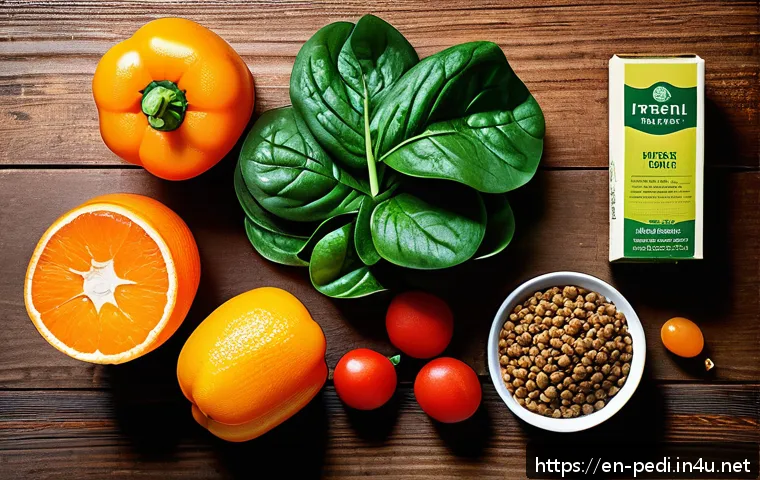
Vitamin C plays a huge role in helping the body absorb iron, so pairing iron-rich foods or supplements with citrus fruits, strawberries, or bell peppers can enhance effectiveness.
Conversely, calcium-rich foods, tea, and coffee can inhibit absorption, so it’s best to space these out. When I advised parents on meal planning, adding a simple glass of orange juice with iron-fortified cereal made a noticeable difference in their children’s energy levels within weeks.
Monitoring Progress and Adjusting Strategies
Iron supplementation isn’t a “set it and forget it” approach. Regular blood tests are crucial to monitor hemoglobin levels and iron stores, ensuring the treatment is working and adjusting the dosage if needed.
I’ve seen cases where children improved dramatically in a month, but others needed longer therapy or additional investigations. Keeping a symptom diary alongside medical checkups can help parents and doctors fine-tune the plan effectively.
Recognizing Signs That Shouldn’t Be Ignored
Behavioral and Physical Clues
Anemia can manifest subtly at first—children might seem unusually tired, irritable, or less interested in play. Pale skin and frequent headaches can also be warning signs.
I recall one mother sharing how her usually lively toddler became withdrawn and pale, which prompted a visit to the pediatrician and a diagnosis of iron-deficiency anemia.
Early detection is key because untreated anemia can affect concentration and learning.
When to Seek Immediate Medical Attention
While mild anemia is common, severe anemia can cause rapid heartbeat, shortness of breath, or dizziness. If a child experiences these symptoms, urgent care is necessary.
Parents should also be alert to signs of bleeding, like blood in stools or urine, which may indicate more serious underlying problems. From personal stories I’ve heard, timely intervention often prevents complications and speeds recovery.
Long-Term Impact on Development
Persistent anemia during critical growth periods can delay cognitive and motor skills development. I’ve seen research and real-life cases showing that kids with untreated anemia may struggle academically and socially.
That’s why early and consistent management is not just about fixing a lab value but securing the child’s overall well-being and future potential.
Incorporating Iron-Rich Foods into Everyday Meals
Simple Meal Ideas That Kids Love
Introducing iron-rich foods doesn’t have to be a battle. I’ve found that mixing ground beef or turkey into spaghetti sauce or tacos makes it easier for picky eaters to consume more iron.

Fortified cereals paired with berries and a splash of orange juice also work wonders for breakfast. The key is variety and persistence without forcing, so kids gradually accept these new flavors.
Vegetarian and Vegan-Friendly Options
For families who don’t eat meat, plant-based iron sources like lentils, spinach, quinoa, and tofu become essential. Pairing these with vitamin C-rich foods is even more critical here to boost absorption.
From my experience, smoothies with spinach, banana, and orange juice can be a tasty and effective way to sneak in these nutrients.
Foods to Limit or Avoid During Iron Therapy
Certain foods and drinks can hinder iron absorption, so timing matters. Milk and dairy products, while healthy, should be given separately from iron-rich meals or supplements.
Similarly, tea and coffee—even decaf—contain compounds that block iron uptake. Educating parents about these details often leads to better treatment outcomes and fewer frustrations.
Understanding Iron Supplement Dosage and Timing
Age-Appropriate Dosing Guidelines
Iron needs vary widely with age, weight, and severity of anemia. Infants typically require lower doses, often administered via drops, while older children might use chewables or tablets with higher milligram content.
I’ve seen many parents confused about how much is safe, which is why consulting a pediatrician before starting supplementation is crucial to avoid toxicity.
Best Practices for Administering Iron
Taking iron on an empty stomach improves absorption but can cause stomach upset, so sometimes giving it with a small amount of food is a practical compromise.
I recommend parents try different approaches to find what their child tolerates best. Consistency is key—missing doses can slow recovery significantly.
Duration of Supplementation and Follow-Up
Iron therapy usually lasts several months, even after blood levels normalize, to replenish stores fully. Regular follow-up appointments allow healthcare providers to track progress and decide when to stop treatment.
In my experience, parents appreciate clear timelines and explanations so they know what to expect and stay motivated.
Quick Reference: Iron Sources and Absorption Tips
| Iron Source | Type of Iron | Vitamin C Pairing | Absorption Notes |
|---|---|---|---|
| Lean red meat | Heme iron (highly absorbable) | Not necessary but helpful | Best absorbed, less affected by other foods |
| Spinach and kale | Non-heme iron (less absorbable) | Orange juice, strawberries | Absorption improved with vitamin C, inhibited by calcium |
| Lentils and beans | Non-heme iron | Tomatoes, bell peppers | Soaking and cooking improve availability |
| Fortified cereals | Non-heme iron | Citrus fruits | Check labels for iron content; pair with vitamin C-rich foods |
| Tofu | Non-heme iron | Broccoli, citrus | Good plant-based option, absorption enhanced with vitamin C |
In Conclusion
Addressing childhood anemia requires a comprehensive approach that combines proper nutrition, medical guidance, and regular monitoring. Understanding the root causes and tailoring interventions can make a significant difference in a child’s health and development. With patience and consistency, families can help their children regain energy and thrive. Remember, early detection and treatment are key to preventing long-term complications.
Helpful Information to Keep in Mind
1. Iron deficiency is the most common cause of anemia in children but can often be prevented through balanced diets and supplements when necessary.
2. Not all anemia is due to diet—underlying health conditions may require medical evaluation and specialized care.
3. Pairing iron-rich foods with vitamin C sources enhances absorption and improves treatment outcomes.
4. Regular follow-ups and blood tests are essential to track progress and adjust iron supplementation safely.
5. Recognizing early signs like fatigue, pale skin, or irritability can prompt timely intervention and better recovery.
Key Takeaways
Childhood anemia is a multifaceted condition influenced by nutrition, growth demands, and health status. Effective management involves choosing the right iron sources, understanding absorption factors, and following medical advice closely. Parents play a crucial role in meal planning, monitoring symptoms, and ensuring adherence to treatment. Early and consistent care not only restores healthy blood levels but also supports overall development and well-being.
Frequently Asked Questions (FAQ) 📖
Q: uestions about Pediatric
A: nemia
Q: What are the main causes of anemia in children?
A: Anemia in children is most commonly caused by iron deficiency, often due to inadequate dietary intake, poor absorption, or increased needs during growth spurts.
Other causes include chronic illnesses, genetic conditions like sickle cell disease, and vitamin deficiencies such as B12 or folate. Identifying the root cause is essential because treatment varies depending on the underlying issue.
Q: How can I safely give iron supplements to my child?
A: When administering iron supplements, it’s important to follow your pediatrician’s dosage recommendations carefully. Iron is best absorbed on an empty stomach but can be given with a small amount of food if stomach upset occurs.
Avoid giving iron with dairy products or calcium-rich foods, as they can interfere with absorption. Also, keep supplements out of reach to prevent accidental overdose, which can be dangerous.
Q: How soon can I expect to see improvements after starting treatment for anemia?
A: Typically, children begin to show signs of improvement within 2 to 4 weeks of starting iron supplementation, such as increased energy and better concentration.
However, it usually takes about 2 to 3 months to fully restore iron levels and resolve anemia. Regular follow-ups with the doctor are important to monitor progress and adjust treatment if needed.