Effective Strategies to Treat and Prevent Recurring Ear Infections in Children

webmaster

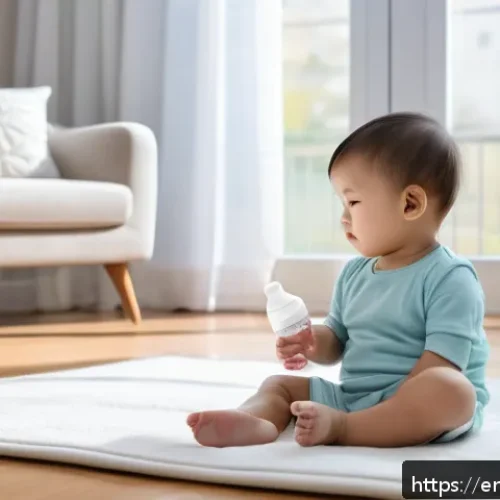
소아 중이염 치료와 재발 방지 방법 - A cozy family living room scene showing a young toddler wearing a clean diaper sitting comfortably o...

Hey there, parents and caregivers! With spring allergies and cold season just around the corner, ear infections in children are becoming a hot topic again.

소아 중이염 치료와 재발 방지 방법 관련 이미지 1

If your little one has faced recurring ear infections, you know how frustrating and exhausting it can be. Luckily, there are proven strategies to not only treat these infections effectively but also prevent them from coming back.

In this post, I’ll share practical tips and insights that have worked for many families, helping kids stay comfortable and healthy. Let’s dive into how you can tackle this common challenge with confidence!

Understanding the Causes Behind Repeated Ear Infections

Why Are Kids More Prone to Ear Infections?

Young children’s anatomy plays a big role in why ear infections happen so often. Their Eustachian tubes—the tiny passageways connecting the middle ear to the back of the throat—are shorter, narrower, and more horizontal compared to adults.

This makes it easier for fluids to get trapped and for bacteria or viruses to grow, leading to infections. Also, kids’ immune systems are still developing, so they’re naturally more vulnerable to catching colds and respiratory infections that often trigger ear infections.

I’ve noticed with my own kids that once they start daycare or preschool, the frequency of ear infections spikes, mostly because of increased exposure to germs.

Common Triggers That Parents Should Watch For

Aside from anatomical factors, environmental and lifestyle elements can increase the risk of ear infections. Exposure to cigarette smoke, for example, irritates the mucous membranes and weakens the immune defenses in the ear area.

Allergies are another big trigger—when nasal passages get inflamed due to pollen or dust, the Eustachian tubes can swell and block drainage. I remember when my child had seasonal allergies, his ear infections worsened, and managing the allergies helped reduce those episodes significantly.

Lastly, bottle-feeding while lying down can cause milk to pool near the Eustachian tube opening, increasing infection chances. Switching to upright feeding positions made a noticeable difference in our household.

Advertisement

Effective Home Care Strategies That Really Work

Managing Symptoms Comfortably at Home

When your child complains of ear pain or shows signs like tugging at the ear or fussiness, some simple home care steps can ease their discomfort. Warm compresses applied gently over the affected ear often bring relief and help reduce inflammation.

Over-the-counter pain relievers such as acetaminophen or ibuprofen, dosed appropriately for your child’s age and weight, can also make a big difference.

I’ve found that giving medication on a regular schedule rather than waiting for severe pain helps keep my kids more comfortable overall. Hydration is important too; encouraging fluids helps thin mucus and promotes better drainage.

When to Seek Medical Advice

While many ear infections resolve on their own, it’s crucial to recognize when professional care is needed. If your child experiences high fever, severe or worsening pain, or symptoms lasting more than two days, contacting a pediatrician is a must.

Recurrent infections—usually defined as three or more episodes within six months or four within a year—also warrant evaluation. Doctors can decide if antibiotics are necessary or if further testing like hearing assessments or imaging is needed.

From my experience, early intervention often prevents complications and helps avoid prolonged discomfort.

Advertisement

Preventive Measures to Reduce Recurrence

Boosting Immunity Through Nutrition and Lifestyle

A strong immune system is your best defense against infections, including those in the ears. Ensuring your child eats a balanced diet rich in fruits, vegetables, and whole grains provides essential vitamins and antioxidants that support immune health.

Regular physical activity and adequate sleep are equally important. I’ve observed that during winter months, when kids get less outdoor time and sleep patterns shift, ear infections tend to increase.

Maintaining consistent routines and encouraging outdoor play when possible helps keep their defenses strong.

Minimizing Exposure to Infection Sources

Limiting contact with germs is a practical step in prevention. Frequent handwashing, avoiding close contact with sick children, and disinfecting toys and surfaces can reduce infection spread.

For parents who smoke, quitting or at least keeping smoke away from children’s environments is critical. Using a humidifier during dry seasons can also prevent nasal passages from becoming too dry and irritated, which helps keep the Eustachian tubes functioning properly.

Advertisement

Role of Allergies and How to Manage Them

Identifying Allergy-Related Ear Problems

Allergies often fly under the radar as a contributor to repeated ear infections. When allergens cause nasal congestion and inflammation, the Eustachian tubes swell, trapping fluid and setting the stage for infection.

Recognizing allergy symptoms like sneezing, itchy eyes, and persistent nasal stuffiness can guide appropriate treatment. In my experience, families who address allergies with the right medications or environmental controls see fewer ear infection flare-ups.

Effective Allergy Control Techniques

To minimize allergy-related ear issues, regular cleaning to reduce dust mites, using air purifiers, and avoiding known allergens such as pet dander or pollen during high seasons are helpful strategies.

Over-the-counter or prescribed antihistamines and nasal corticosteroids can relieve nasal inflammation. For some children, allergy testing and immunotherapy might be recommended by specialists.

소아 중이염 치료와 재발 방지 방법 관련 이미지 2

Implementing these measures has personally helped reduce the frequency of ear infections in children I know.

Advertisement

When and How Antibiotics Should Be Used

Understanding the Role of Antibiotics in Treatment

Not all ear infections require antibiotics, and overusing them can lead to resistance and other side effects. Most mild cases improve without antibiotics, especially when symptoms are manageable and not severe.

Pediatricians generally follow guidelines that recommend antibiotics for children under six months, or for those with severe symptoms like high fever, persistent pain, or worsening condition.

From my conversations with healthcare providers, judicious use of antibiotics ensures they remain effective when truly needed.

Alternatives and Complementary Therapies

In cases where antibiotics aren’t necessary, supportive care remains essential. Some parents explore complementary options like probiotics to support gut health and immunity, though evidence on their effectiveness specifically for ear infections is still emerging.

Warm saline nasal sprays can help clear nasal congestion, indirectly aiding ear drainage. It’s important to discuss any alternative therapies with your child’s doctor to ensure safety and appropriateness.

Advertisement

Practical Tools and Habits for Everyday Prevention

Creating a Healthy Home Environment

Small adjustments in daily habits can have a big impact on reducing ear infection risk. Using hypoallergenic bedding, maintaining moderate indoor humidity, and keeping pets clean are effective steps.

I noticed that after investing in a good air purifier and establishing a no-shoes-inside rule, my home environment became noticeably better for my child’s respiratory and ear health.

Consistency is key—these habits may seem minor but add up over time.

Educating Children About Hygiene

Teaching kids simple hygiene habits empowers them to help prevent infections. Handwashing before meals and after playing outside, avoiding sharing cups or utensils, and covering coughs and sneezes are practical lessons.

Making these routines fun and part of daily life increases the likelihood they’ll stick. I’ve found that when children understand the “why” behind these habits, they’re more motivated to practice them independently.

Prevention Strategy How It Helps Practical Tips
Proper Feeding Positions Prevents milk from entering Eustachian tubes Feed infants upright; avoid bottle propping
Allergy Management Reduces nasal inflammation and fluid buildup Use antihistamines, clean environment, avoid triggers
Environmental Controls Limits exposure to irritants and germs No smoking indoors, use air purifiers, humidify air
Hygiene Habits Decreases spread of infection-causing germs Teach handwashing, avoid sharing personal items
Medical Monitoring Ensures timely treatment and reduces complications Regular pediatric check-ups, watch for severe symptoms
Advertisement

In Conclusion

Repeated ear infections can be challenging, especially for young children and their families. Understanding the causes, recognizing symptoms early, and adopting effective prevention strategies can make a significant difference. With attentive care and timely medical guidance, many children experience fewer infections and quicker recoveries. Remember, creating a supportive environment plays a key role in keeping your child’s ears healthy.

Advertisement

Helpful Information to Keep in Mind

1. Children’s ear anatomy makes them more susceptible to infections, so extra vigilance is needed during early years.

2. Environmental factors like smoke exposure and allergies can increase infection risk; managing these can reduce episodes.

3. Simple home remedies such as warm compresses and proper medication dosing help ease discomfort effectively.

4. Preventive habits including good hygiene, allergy control, and healthy lifestyle choices strengthen immunity and reduce recurrence.

5. Seek medical advice promptly if symptoms worsen or infections are frequent to avoid complications and ensure proper treatment.

Advertisement

Key Takeaways

Repeated ear infections are often linked to children’s unique anatomy and environmental triggers. Early symptom management combined with preventive lifestyle adjustments can greatly reduce the frequency and severity of infections. Monitoring for warning signs and working closely with healthcare providers ensures timely interventions. Emphasizing hygiene, allergy control, and a healthy home environment empowers families to protect their children’s ear health effectively.

Frequently Asked Questions (FAQ) 📖

Q: What are the early signs of an ear infection in children?

A: Recognizing an ear infection early can really make a difference. Common signs include your child tugging or pulling at their ear, fussiness or crying more than usual, difficulty sleeping, and sometimes a slight fever.
You might also notice fluid draining from the ear or your child having trouble hearing clearly. From my experience, paying attention to these subtle changes helps parents get treatment started sooner, which can ease discomfort quickly.

Q: How can I help prevent recurring ear infections in my child?

A: Preventing ear infections often involves a few practical steps. Keeping your child’s hands clean and away from their face reduces germs. Avoiding exposure to cigarette smoke and managing allergies can also lower the risk.
Breastfeeding, when possible, provides immune support that’s been shown to help. Also, limiting pacifier use after 6 months and ensuring your child gets vaccines like the flu shot and pneumococcal vaccine are smart moves.
I’ve seen families reduce repeat infections by combining these habits consistently.

Q: When should I see a doctor if I suspect my child has an ear infection?

A: If your child shows signs of an ear infection and symptoms last more than a day or two, it’s a good idea to check in with a healthcare provider. Immediate attention is needed if your child has a high fever, severe ear pain, swelling around the ear, or if fluid is draining.
Trust your instincts—if your child seems unusually irritable, lethargic, or has trouble balancing, don’t hesitate to seek medical advice. Early diagnosis and treatment not only relieve pain faster but also help prevent complications.

📚 References


➤ Link

– Google Search

➤ Link

– Bing Search

➤ Link

– Google Search

➤ Link

– Bing Search

➤ Link

– Google Search

➤ Link

– Bing Search

➤ Link

– Google Search

➤ Link

– Bing Search

➤ Link

– Google Search

➤ Link

– Bing Search

➤ Link

– Google Search

➤ Link

– Bing Search

➤ Link

– Google Search

➤ Link

– Bing Search
Advertisement