
Prepare for your infant’s vaccine visit by bringing key health information, planning simple comfort measures, and asking how to reach the clinic afterward.
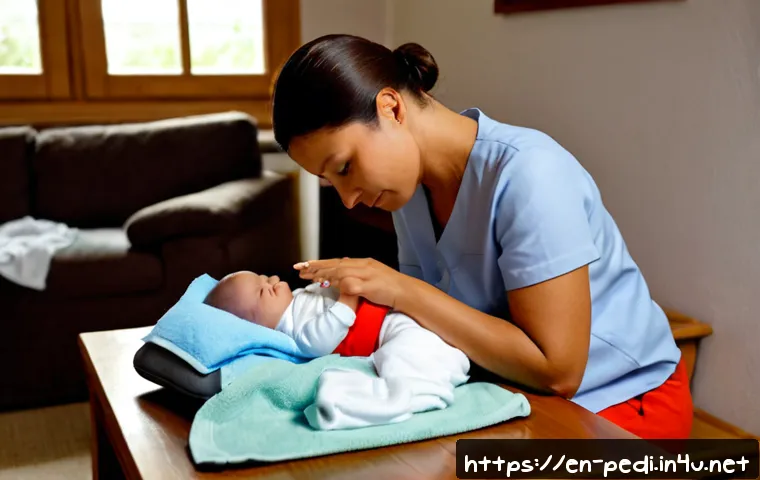
After the appointment, monitor for mild short-term reactions, follow the provider’s instructions, and contact the clinic promptly if anything seems concerning.
Routine vaccines help protect infants from serious infectious diseases when given on the recommended immunization schedule. A dependable thermometer and clear after-hours pediatric support plan can make home monitoring less stressful.
The goal is not to buy every comfort item, but to choose practical tools that fit your baby’s age and your ability to contact care.
At a Glance
- Prepare: Bring your baby’s vaccine record and share current symptoms, medicines, allergies, and any previous reaction concerns.
- Monitor: Mild soreness, redness, swelling, fussiness, tiredness, or a low-grade fever can occur after vaccination.
- Contact the clinic: Follow the provider’s instructions and seek urgent medical attention for a suspected severe allergic reaction.
| Care Need | What to Compare | Useful Decision Question |
|---|---|---|
| Temperature monitoring | Accuracy, ease of use, age suitability, and cleaning instructions | Does this thermometer match the method my pediatric clinician recommends for my infant? |
| After-hours pediatric support | Nurse line availability, after-hours instructions, and how quickly you can reach guidance | Do I know who to contact when the office is closed? |
| Visit-day comfort supplies | Simple, portable items that support feeding, soothing, and comfortable clothing | Will this item make the appointment easier without adding clutter or complexity? |
The Quick Plan for Vaccine Day and the Next 48 Hours
The simplest plan is to prepare your questions before leaving home, listen carefully to the vaccine provider’s instructions, and keep the clinic’s contact information easy to find afterward. Each baby’s response can differ, so your provider’s guidance should lead the plan.
What to Bring to the Appointment
Bring your baby’s up-to-date vaccine record, if you have it, along with a short list of current medicines, known allergies, current symptoms, and prior vaccine reactions. Keep your questions in one place, such as a phone note or paper list. Useful questions include which reactions may be expected, how to take your baby’s temperature, and when to call the pediatric clinic.
Keeping records current can make later clinician visits, childcare enrollment, and future appointments easier. Before leaving, confirm how the office handles follow-up questions and whether there is an after-hours pediatric nurse line or other support option.
What Mild Reactions May Look Like
Some infants have short-term reactions after routine vaccination. These may include soreness, redness, or swelling where the shot was given, as well as fussiness, tiredness, or a low-grade fever. The exact timing and intensity are different for every child.
Do not assume that every symptom is related to the vaccine. If you are uncertain about what you are seeing, use the contact instructions provided by the clinic rather than trying to self-diagnose at home.
When to Contact the Pediatric Clinic Urgently
Contact the pediatric clinic according to the instructions you received, especially if your baby’s symptoms concern you or do not fit the guidance given at the appointment. A suspected severe allergic reaction requires urgent medical attention. Severe allergic reactions after vaccination are rare, but they should not be managed by waiting for a routine callback.
Whether a fever needs same-day assessment depends on your baby’s age, how the temperature was measured, medical history, and other symptoms. Ask the clinician in advance what temperature method and follow-up steps are appropriate for your infant.
Choose Useful Monitoring and Comfort Supplies Without Overbuying
A small home-care setup can be more useful than a large collection of products. Focus on items that help you monitor your baby accurately, follow clinic advice, and stay organized during a potentially tiring day.
Thermometer Options: Accuracy, Ease of Use, and Age Suitability
A rectal temperature is generally considered the most accurate method for measuring temperature in young infants. However, caregivers should ask their pediatric clinician which method is appropriate for their child before relying on any device.
When comparing a digital thermometer, look beyond the packaging. Consider whether the device is easy to read when you are tired, straightforward to clean, suitable for your baby’s age, and accompanied by clear instructions. It is also sensible to review return policies and support information before purchasing a temperature-monitoring tool.
Cold Compresses, Clothing, Feeding, and Soothing Essentials
Ask the vaccine provider which comfort measures are appropriate for your baby. Keep the setup simple: comfortable clothing that allows easy access to the injection area, familiar feeding supplies, and a calm place to settle afterward can be practical. If you are considering a cold compress or another comfort item, confirm with the provider how it should be used for your child.
There is no need to build an elaborate “vaccine kit.” Choose items you already know your baby tolerates well, and avoid adding unfamiliar products on a day when you may need to observe changes clearly.
Comparing Pediatric Office, Nurse Line, and After-Hours Care Access
Access to guidance can matter as much as the supplies in your cabinet. Before the appointment, find out whether your pediatric office offers a nurse line, after-hours instructions, portal messaging, or a dedicated on-call process. Clinic-specific policies vary, so confirm the details directly.
If reaching the office is difficult for your household, write down the best number to call, the office hours, and the next available support option. This small step can reduce rushed decision-making after the visit.
Before the Appointment: Prepare Your Baby and Your Questions
Preparation is mostly about sharing accurate information and removing avoidable stress. The clinician needs a clear picture of how your baby is doing on appointment day.
Share Current Symptoms, Allergies, Medicines, and Prior Vaccine Reactions
Tell the provider about current symptoms, allergies, medicines, and any previous reaction that concerned you. If your baby has an existing illness or has seemed different than usual, do not decide on your own whether the appointment should proceed. Let the pediatric clinic guide that decision.
Be specific when possible. A brief note about what you observed and when you noticed it can be more helpful than trying to remember every detail in the exam room.
Feed, Dress, and Plan Travel for Comfort
Plan the trip around what usually helps your baby feel secure. Bring feeding supplies you normally use, dress your baby in clothing that is easy to adjust, and allow extra travel time so the visit does not feel rushed. Familiar routines can be helpful, but there is no need to force a perfect schedule.
Avoid Giving Medication in Advance Unless the Clinician Advises It
Do not guess an infant medication dose. Medication dosing depends on age and weight, and an over-the-counter medicine may not be appropriate for every infant. Do not give medicine before vaccination unless a clinician recommends it.
If medication is discussed after the appointment, verify the product, dose, timing, and reason for use with the clinician. Avoid using another child’s instructions, an old note, or a remembered dose as a substitute for current guidance.
After the Shots: Safe Comfort Care and Monitoring
After vaccination, the priority is calm observation rather than constant checking. Follow the provider’s comfort-care instructions and keep your usual routines as workable as possible.

Supporting Feeding, Sleep, and Normal Routines
Your baby may be fussy or tired for a short time. Offer familiar feeding and soothing routines as your baby accepts them, and allow rest when needed. You do not need to create a complicated recovery schedule; the provider’s specific advice should come first.
Checking Injection-Site Discomfort and Temperature Appropriately
Look for the mild injection-site changes discussed by the provider, such as soreness, redness, or swelling. If you take a temperature, use the method your pediatric clinician has recommended for your infant. Record the method used as well as the reading if you need to call the clinic, because the method can affect how the information is interpreted.
A reliable digital thermometer is useful only when it is used correctly. Read the instructions, clean it as directed, and keep it in an easy-to-find location with the clinic contact details.
Common Mistakes to Avoid When Using Infant Medicines
Common avoidable mistakes include preventive dosing without clinical advice, guessing based on age alone, using a dose intended for another child, and assuming a medicine is appropriate because it is available over the counter. If you cannot confirm the correct guidance, contact the pediatric clinic or its after-hours support service.
Special Situations That May Change the Plan
Some families need a little more planning before vaccine day. The safest approach is to communicate early with the provider rather than trying to create a one-size-fits-all plan.
If Your Baby Is Sick on Appointment Day
If your baby has current symptoms or an existing illness, contact the pediatric clinic and describe what is happening. The provider can advise whether the appointment plan needs to change. Do not rely on general online advice to make that decision for your infant.
If There Was a Previous Concerning Reaction
Tell the provider about any previous reaction that concerned you before vaccines are given. Bring notes or records if available. This helps the clinician review the history and explain the appropriate next steps for your baby.
If You Are Traveling or Have Limited Access to the Clinic
Before traveling, save the vaccine record, clinic phone number, and after-hours instructions in more than one place. If you expect limited access to your usual pediatric office, ask in advance what follow-up support is available. A thermometer that you understand how to use and a written contact plan can be particularly helpful when you are away from home.
Choosing Your Care Plan and Support Options
A good care plan is clear enough that another caregiver could follow it. It should include the provider’s instructions, your chosen temperature-monitoring method, and the best route for getting pediatric advice.
Questions to Ask About Follow-Up and After-Hours Advice
Ask the clinic: “Which reactions should I monitor for?” “Which temperature method should I use?” “When should I call during office hours?” and “What is the after-hours pediatric support process?” Also ask whether the office prefers phone calls, portal messages, or another method for non-urgent questions.
A Practical Checklist for Choosing a Thermometer and Care Supplies
Choose a thermometer based on clinician-recommended age suitability, readable results, cleaning instructions, and ease of use. For comfort supplies, prioritize familiar feeding items and simple clothing over products with broad promises. For care access, confirm the actual clinic phone number, hours, and nurse line process rather than assuming they are available.
Keep Vaccine Records and Clinic Contact Details Ready
Store vaccine records where you can update them after each visit. Keep the pediatric clinic’s daytime and after-hours contact details alongside the thermometer or in a shared family note. This helps caregivers provide consistent information if they need to call.
Selection Criteria and Comparison Summary
Before choosing home-care items or pediatric support options, check these points: the temperature method recommended for your infant, the thermometer’s age suitability and cleaning instructions, the clinic’s after-hours contact process, the simplicity of comfort supplies, and how easily records can be shared between caregivers. Compare features, return policies, and pediatric support access before buying. For official instructions and detailed service conditions, review the relevant clinic or retailer page directly.
In Closing
Routine vaccines are an important part of protecting infants from serious infectious diseases. A calm plan, accurate information, and a clear way to contact the pediatric clinic can make vaccine day more manageable. Mild short-term reactions can occur, but your baby’s own provider is the right source for advice about symptoms, temperature readings, and medication. Keep records updated so future care is easier to coordinate.
Useful Things to Know
1. Keep a current vaccine record for future appointments and childcare needs.
2. Ask which temperature method is appropriate for your infant before you need it.
3. Save daytime and after-hours pediatric contact information in an easy-to-access place.
4. Do not guess infant medication doses based on memory or another child’s instructions.
Important Notes
This article provides general vaccine-visit care information, not a diagnosis or individualized treatment plan. The significance of a fever or other symptom depends on factors including age, temperature method, medical history, and accompanying symptoms. Follow the instructions from your baby’s vaccine provider, and contact the clinic when you need child-specific guidance. A suspected severe allergic reaction requires urgent medical attention.
Frequently Asked Questions
Q1. Is it normal for a baby to be fussy or sleepy after routine vaccinations?
A1. Fussiness and tiredness can occur after vaccination, along with mild injection-site soreness, redness, swelling, or a low-grade fever. The exact response differs between babies. Follow the provider’s instructions and contact the pediatric clinic if you are concerned.
Q2. What type of thermometer is safest and most useful for an infant after vaccines?
A2. A rectal temperature is generally considered the most accurate method for young infants, but you should ask your pediatric clinician which temperature method is appropriate for your child. When comparing a digital thermometer, consider age suitability, ease of reading, cleaning instructions, and correct use.
Q3. Should I give my baby pain or fever medicine before or after a vaccine appointment?
A3. Do not give medicine before vaccination unless a clinician recommends it. Infant medication doses depend on age and weight, and whether a specific medicine is appropriate must be confirmed for your baby. Ask the pediatric clinic for product and dosing guidance rather than guessing.